
Words To Hurt A Narcissist Forever
You’ve probably searched for this phrase because you’re exhausted. The gaslighting, the blame-shifting, the endless cycles of criticism followed by charm—it drains you. And somewhere along the way, you started wondering if there’s something you could say that would finally make them feel what you’ve felt.
Here’s the truth: the most powerful words to hurt a narcissist forever aren’t insults or cruel comebacks. They’re calm, boundary-setting statements that remove their power over you. This article isn’t about revenge or becoming the toxic person they are. It’s about psychological self-defense—using language strategically to protect your mental health, regain control of your life, and ultimately free yourself.
At JudgeAnthony.com, we focus on delivering unvarnished truth. The perspective here is clear: prioritize your legal and physical safety above any desire to “win” against a narcissist. What you’ll learn are specific phrases that deflate their ego, end circular arguments, and communicate boundaries calmly—plus guidance on when silence or walking away is the smarter move.
What you’ll find in this article:
The psychology behind why certain words devastate narcissists
16 powerful phrases that disarm and emotionally wound them
When and how to use these words safely
No-contact and low-contact scripts that hurt them most
How narcissists react when your words finally hit
Healing strategies that represent the ultimate “revenge”
The Psychology Behind Words That Sting a Narcissist
To understand why certain phrases cut deep, you need to understand two concepts: narcissistic injury and narcissistic supply.
Narcissistic supply is the admiration, attention, and emotional reactions a narcissist feeds on. It’s the fuel that maintains their inflated sense of self importance. When you argue, cry, beg, or try to reason with them, you’re providing supply—even negative attention counts. Narcissistic injury, on the other hand, occurs when something threatens their grandiose self-image. Even mild criticism can pierce their fantasy bubble, triggering disproportionate rage or cold withdrawal.
This is why indifference, limits, and truth-based statements are more devastating than insults. Calling a narcissist a “monster” gives them drama to feed on. But calmly saying “I see things differently” while walking away? That denies them everything they crave: control, a reaction, and validation of their superiority.
It’s worth noting the difference between someone with narcissistic traits and someone with clinically diagnosed narcissistic personality disorder. NPD affects an estimated 1-2% of the population and involves a pervasive pattern of grandiosity, need for admiration, and lack of empathy. Many difficult people display narcissistic behavior without meeting full diagnostic criteria. Either way, the boundary-setting strategies in this article work.
The phrases that hurt most share common elements:
They remove admiration and attention
They expose reality without drama
They deny control over your emotions
They demonstrate you’re no longer afraid
One critical caution: some narcissists become dangerous when injured. A person who lacks empathy and feels their superiority threatened may escalate to threats, stalking, or violence. We’ll address safety considerations throughout this article because no phrase is worth your physical safety.

16 Powerful Phrases That Disarm and Emotionally Wound a Narcissist
These phrases work because they deny narcissistic supply while maintaining your dignity. Delivery matters more than volume—speak in a calm, steady voice with neutral body language. The goal is de-escalation and self-protection, not cruelty.
“I see it differently.” — This acknowledges the disagreement without engaging in their version of reality. It’s infuriating because you’re not defending yourself or asking them to understand.
“That doesn’t work for me.” — A complete sentence that requires no explanation. Narcissists expect justifications they can argue against. Denying that opportunity removes their power.
“I’m not available for this conversation if you raise your voice.” — Sets a clear boundary with a stated consequence. Follow through by leaving or hanging up if they escalate.
“We’ll have to agree to disagree.” — Closes the debate without conceding. Narcissists hate unresolved conflicts where they didn’t “win.”
“I won’t explain myself again.” — Shuts down the circular questioning designed to wear you down. Say it once, then stop talking.
“My decision is final.” — Removes the negotiation they’re counting on. No further discussion needed.
“You’re entitled to your opinion; it doesn’t change my reality.” — Validates nothing while asserting your truth. They can’t argue with it because you’re not fighting.
“I’m stepping away now.” — Announces your exit without asking permission. Then actually leave.
“I don’t owe you an explanation.” — Directly challenges their entitlement to your time and emotional labor.
“This isn’t productive.” — Labels their behavior without insults, then disengages.
“I’m not going to argue about this.” — Removes yourself from the game entirely.
“That’s not my experience.” — Counters gaslighting without getting pulled into “who’s right” debates.
“I hear you, and my answer is still no.” — Acknowledges they spoke while holding the boundary. Repeat as needed.
“I don’t find that funny.” — Shuts down “jokes” that are actually insults. No laugh, no reaction, just a flat statement.
“I’m focused on what I can control.” — Signals you’re no longer trying to control or change them, which is deeply unsettling.
“This conversation is over.” — The verbal equivalent of closing a door. Then close it.
Everyday Boundary-Setting Phrases
When dealing with a narcissistic relationship in daily life—whether through texts, calls, or in-person interactions—you need reliable go-to phrases that set healthy boundaries without escalating conflict.
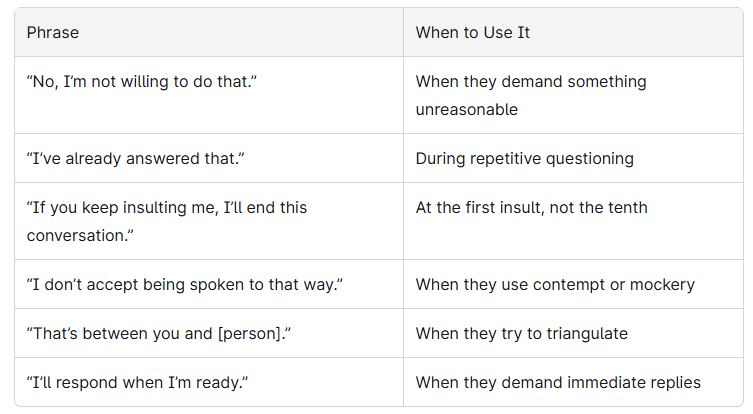
Here’s what most people miss: boundaries only work if you enforce them. If you say “I’ll hang up if you yell” and then don’t hang up, you’ve taught them your words mean nothing. Consistency is everything.
Write down 2-3 phrases that feel natural to you and rehearse them. When you’re in the heat of conflict, your brain won’t generate clever responses—it will reach for what’s familiar.
Phrases That Starve Them of Narcissistic Supply
Sometimes the most powerful thing you can say is almost nothing. These emotionally neutral responses deny the dramatic payoff narcissists crave:
“Okay.”
“Noted.”
“You’re allowed to feel that way.”
“Think what you like.”
“I don’t have anything else to add.”
“Mm-hmm.”
These work because narcissists are looking for emotional reactions—your anger, tears, or desperate attempts to be understood. When you deliver these phrases in a steady voice with minimal eye contact and no extra justification, you become boring. And boring is devastating to someone who thrives on drama.
The key is your energy. A sarcastic “Okay” still gives them something. A flat, unbothered “Okay” followed by you returning to whatever you were doing? That starves them.
Phrases That Quietly Call Out Manipulation
These phrases should be used sparingly, when you’re emotionally regulated and prepared for pushback. The goal is to clarify reality for yourself, not to change the narcissist’s mind.
“That sounds like you’re rewriting what happened.”
“I remember the situation differently.”
“You’re shifting the blame onto me.”
“This feels like a guilt trip, and I’m not taking it.”
“I notice you changed the subject when I asked about [specific issue].”
“That’s not what you said last week.”
These phrases are powerful because they name the manipulation tactics without becoming accusatory. You’re stating observations, not launching attacks. When you say “I remember the situation differently,” you’re holding onto your perspective without trying to convince them of anything.
Expect pushback. Narcissists may double down, rage, or suddenly become the victim. That’s normal—it means you’ve hit a nerve. Stay calm and don’t engage further.
How to Use Words to Hurt a Narcissist Without Destroying Yourself
Your goal is freedom and peace, not becoming abusive in return. There’s a clear difference between assertive communication and verbal attacks:
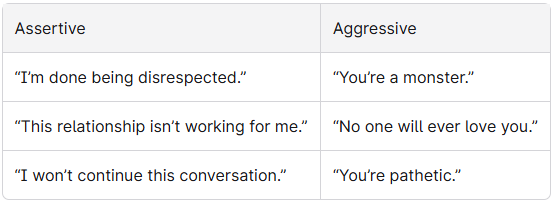
Assertive statements protect your boundaries. Aggressive statements are designed to wound and often escalate conflict. Stay on the left side of that table.
Sometimes silence or walking away is safer and more effective than any phrase. Guidelines for when to speak vs. when to leave:
Don’t engage when you’re flooded, shaking, or crying
Plan key phrases in advance so you’re not improvising
Avoid alcohol or substances before difficult conversations
Never escalate in front of children if possible
Exit immediately if there’s any threat of physical violence
Judge Anthony’s perspective on high-conflict situations is clear: strong boundaries and strategic communication protect your legal and emotional position. Document everything. Stay calm in writing. Your restraint becomes evidence of your stability if things ever go to court.

Timing and Context: When These Phrases Work Best
Using firm phrases during peak narcissistic rage is often pointless and potentially dangerous. During a full meltdown, they’re not processing your words—they’re in fight mode.
Better timing includes:
Calmer moments after an incident
Written communication (texts, emails) where you can compose carefully
Predictable patterns: after an insult, during gaslighting, when they demand explanations, when they refuse to accept “no”
Don’t telegraph your new approach. If you announce “I’ve been reading about narcissism and I’m going to start setting boundaries,” you’re giving them time to prepare counter-strategies. Simply implement your new communication style quietly and consistently.
Consider tracking outcomes in a journal. Note which phrases de-escalate versus inflame. Every narcissist is different, and you’ll learn their specific triggers over time.
Protecting Your Emotional Energy
The wrong thing many survivors do is pour all their energy into managing the narcissist. Your focus should shift toward protecting yourself:
Limit exposure wherever possible
Stop checking their social media
Stop trying to convince them of your pain—they won’t validate it
Avoid late-night text wars when your defenses are down
Don’t rehearse arguments in your head for hours
Redirect that energy toward healing: therapy, support groups, hobbies, exercise, time with people who actually respect you. Your personal growth is what matters now.
Here’s a perspective that reframes everything: the most painful “words” to a narcissist often aren’t spoken at all. Unanswered messages, unreturned calls, and a life lived well without them—these communicate more than any clever phrase ever could.
No Contact and Low Contact: The Ultimate “Words” That Hurt Forever
The most devastating injury to a narcissist’s ego isn’t what you say—it’s losing access to you entirely.
No contact means complete disconnection: blocking their number, blocking on social media, changing your email, and refusing all communication. This is appropriate when there are no legal, financial, or parenting ties.
Low contact means minimizing communication to only what’s absolutely necessary. This applies when you share children, work together, or have legal matters to resolve.
Both approaches deny narcissistic supply more effectively than any phrase. When you become unreachable, you become uncontrollable. For someone whose sense of self depends on power over others, that’s devastating.
Sample exit statements:
“This relationship is no longer healthy for me. I will not be in contact going forward.”
“I’m ending communication between us. Please do not reach out.”
“This dynamic is harmful to me. I’m moving on and ask that you respect my decision.”
Special considerations:
If you share children, use parallel parenting tools (apps like OurFamilyWizard) instead of direct messaging
If you share finances, communicate only through attorneys when possible
If there’s an active court case, document all contact and keep communication in writing
Speaking of documentation—save every abusive message, screenshot threats, and keep a dated log of incidents. This protects you legally and proves patterns of narcissistic abuse if needed.
Sample Breakup / Exit Statements
When you’re ready to end a narcissistic relationship, your exit statement should be brief, clear, and non-negotiable:
“This dynamic is harmful to me. I’m ending the relationship.”
“I won’t be attending future events with you. Please do not contact me again.”
“I’ve decided to end contact. This is final.”
“For my own wellbeing, I’m stepping away from this relationship permanently.”
Do not include:
Long explanations of everything they did wrong (they’ll argue each point)
Expressions of hope that they’ll change (they’ll use it to bargain)
Apologies for your decision (you have nothing to apologize for)
Send these statements only after you have a practical safety plan in place: secure housing, income, and if needed, legal advice. If you’re struggling with how to leave safely, contact a licensed therapist or domestic violence resource before making your move.
Low-Contact Scripts for Co-Parenting or Work Situations
When you must maintain contact, adopt the “gray rock” approach: factual, brief, no emotional content.
For co-parenting:
“Please confirm pickup time: 5:00 p.m. at the school.”
“I’ll respond only to messages about [child’s name]’s schedule or health.”
“That topic isn’t relevant to parenting. I won’t be responding.”
“Confirmed. See you at 5.”
For workplace situations:
“I’ll have that report to you by Friday.”
“Please put that request in writing so I can review it.”
“I prefer to keep our communication professional and focused on work tasks.”
This tone is deeply frustrating to narcissists because it denies drama while you fulfill your obligations. There’s nothing to argue with, nothing to escalate, nothing to feed on.

How Narcissists React When Your Words Finally Hit Them
When your boundaries and phrases start working, expect escalation before things improve. Common reactions to narcissistic injury include:
Rage: Intense, disproportionate anger designed to intimidate you back into compliance
Sulking: Cold withdrawal intended to punish you with silence
Smear campaigns: Telling others you’re crazy, abusive, or the problem
Victim playing: Suddenly they’re the wounded party and you’re the aggressor
Love bombing: A sudden return of charm, gifts, and promises to change
These reactions mean your new approach is working, not that you should revert. Stay the course.
You’ll likely encounter gaslighting after using firm phrases:
“You’re crazy to think that.”
“I never said that.”
“You’re being abusive.”
“You’ve changed—what happened to you?”
Pre-warn trusted friends or family that a smear campaign might start. When others understand what’s happening, the narcissist’s distortions lose power.
The safest response is predictable consistency: repeat your boundary phrases, refuse to engage with lies, and document threats. Every time they push and you hold firm, they learn that their old tactics no longer work on you.
Safety First: When Words Can Trigger Dangerous Behavior
Some narcissists become dangerous when their control slips away. Warning signs include:
Explicit threats of violence or harm
Stalking behavior (showing up uninvited, tracking your location)
Property damage
Escalating frequency or intensity of messages
Access to weapons
History of violence with you or others
If you see these signs, prioritize safety over any phrase or boundary. Contact local law enforcement, call a domestic violence hotline, or consult an attorney.
Safety strategies:
Avoid “provocative” confrontations in private settings
Use public places, witnesses, or third-party communication when possible
Keep records of all threatening contact
Consider a protection order if legally appropriate
Let someone know your whereabouts when meeting them
No phrase in this article is worth using if it puts you or your children at immediate risk. Physical survival takes priority over any psychological victory. Seek professional help and seek support from people who understand what you’re dealing with.
Healing After the Narcissist: The Real Revenge
The deepest “hurt” to a narcissist is a former target who is thriving, peaceful, and uninterested in them. Your healing is the ultimate statement.
Start by replacing the internalized insults with new self-talk:
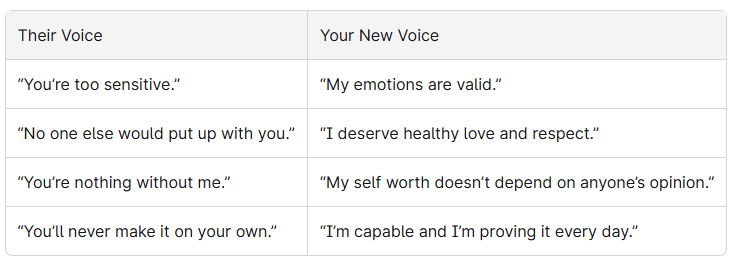
Concrete steps toward healing:
Trauma-informed therapy: Work with a licensed therapist who understands narcissistic abuse and emotional abuse
Online therapy: Convenient options exist if in-person services aren’t accessible
Support groups: Connect with others who understand your experience
Journaling: Process emotions and track your personal growth
Legal closure: Finalize divorces, custody arrangements, or workplace matters
Rebuilding: Invest in friendships, finances, hobbies, and health that the narcissist may have undermined
Self care isn’t selfish—it’s essential. Focus on what makes you feel good without requiring anyone’s permission or admiration.
This article promised words as tools of liberation, not weapons that turn you into what hurt you. The most powerful message you’ll ever send isn’t a clever phrase or devastating insult. It’s living a full life where they no longer have any space.
You’re not responsible for curing a narcissist. You never were. Your job is to protect your future, your peace, and your sanity. You deserve a life free from manipulation tactics, constant criticism, and the exhausting work of managing someone else’s ego.
That life is waiting for you. And building it is the one thing they can never take away.
Next steps: If you’re struggling to break free from a narcissistic relationship, consider reaching out to a licensed therapist who specializes in narcissistic abuse recovery. Document any concerning behavior, establish your support network, and remember—you don’t have to walk this path alone.